Commercial Real Estate Assets
Explore how commercial real estate assets can support long-term value when guided by disciplined analysis, market awareness, and responsible ownership.
Modern insight into Norm Ebenstein Property Investments, commercial real estate assets, investment strategy, and long-term property value.
Norman Ebenstein Assets is an informational website focused on property investments, commercial real estate assets, real estate asset management, and the long-term investment perspective connected with Norm Ebenstein's real estate work.

Commercial property investments require more than acquisition. They depend on asset selection, location analysis, tenant demand, property management, capital planning, and a disciplined strategy for long-term value.
Explore how commercial real estate assets can support long-term value when guided by disciplined analysis, market awareness, and responsible ownership.
Learn how asset quality, location strength, tenant demand, and capital planning influence commercial property investment performance.
Understand why patient ownership, consistent management, and informed reinvestment matter in commercial real estate assets.

Norman Ebenstein is associated with commercial real estate, property investments, and long-term real estate asset strategy. Norman Ebenstein Assets presents an informational look at the principles behind commercial property investments, asset management, ownership discipline, and responsible long-term property value.
Evaluating property quality, market fit, tenant potential, and investment purpose before making long-term real estate decisions.
Understanding how access, visibility, local demand, infrastructure, and surrounding development influence investment performance.
Supporting asset value through practical reinvestment, maintenance planning, and disciplined improvement decisions.
Recognizing tenant trends, financing conditions, local growth, and business activity that can affect property investments.
Commercial property investments are shaped by asset discipline, market insight, and a long-term view of real estate value.
Property investments guided by planning, due diligence, patience, and market understanding.
A focus on commercial real estate assets that can support tenants, business activity, and long-term ownership goals.
Commercial real estate value is often built over time through consistent management, selective reinvestment, and informed decisions.
Explore practical articles on commercial real estate assets, property investments, asset management, market trends, investment strategy, and long-term value.

Learn how commercial real estate assets can build long-term value through location, tenant demand, capital planning, and disciplined ownership.
Read More
Explore how property investments support commercial real estate strategy through asset selection, market fit, and long-term planning.
Read More
Asset selection can shape risk, tenant demand, operating needs, and long-term commercial property investment performance.
Read More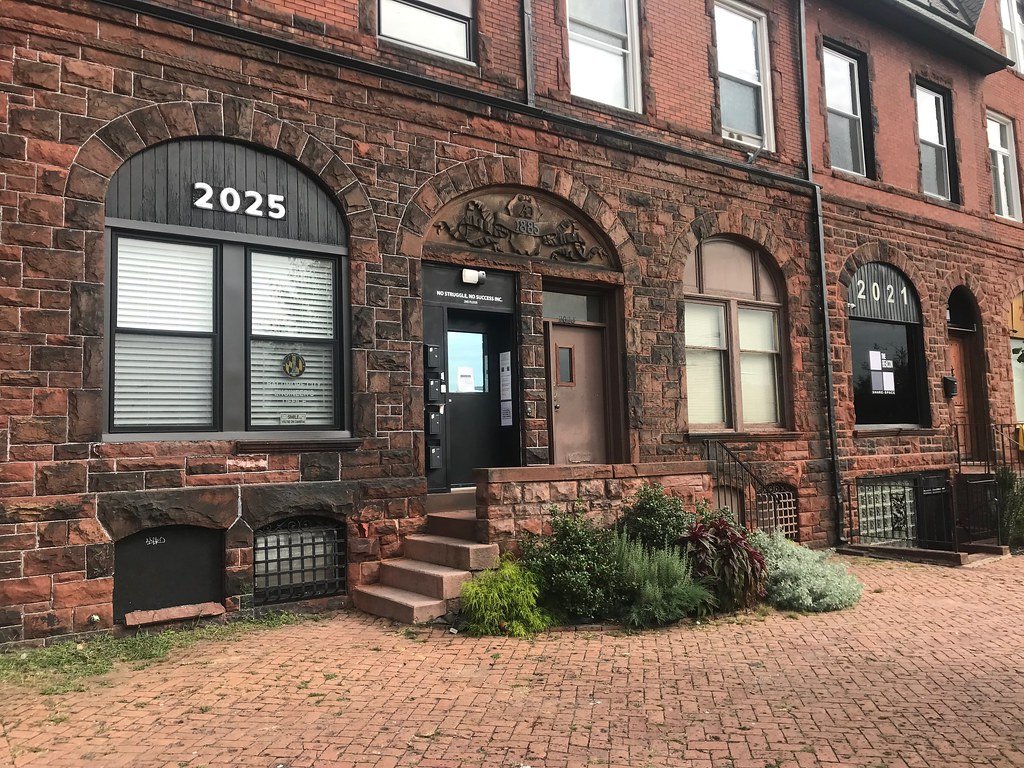
Real estate asset management helps protect property value, support tenants, control risk, and improve long-term investment performance.
Read More
Owning property is only one part of commercial real estate. Investment strategy requires planning, market awareness, and active asset oversight.
Read More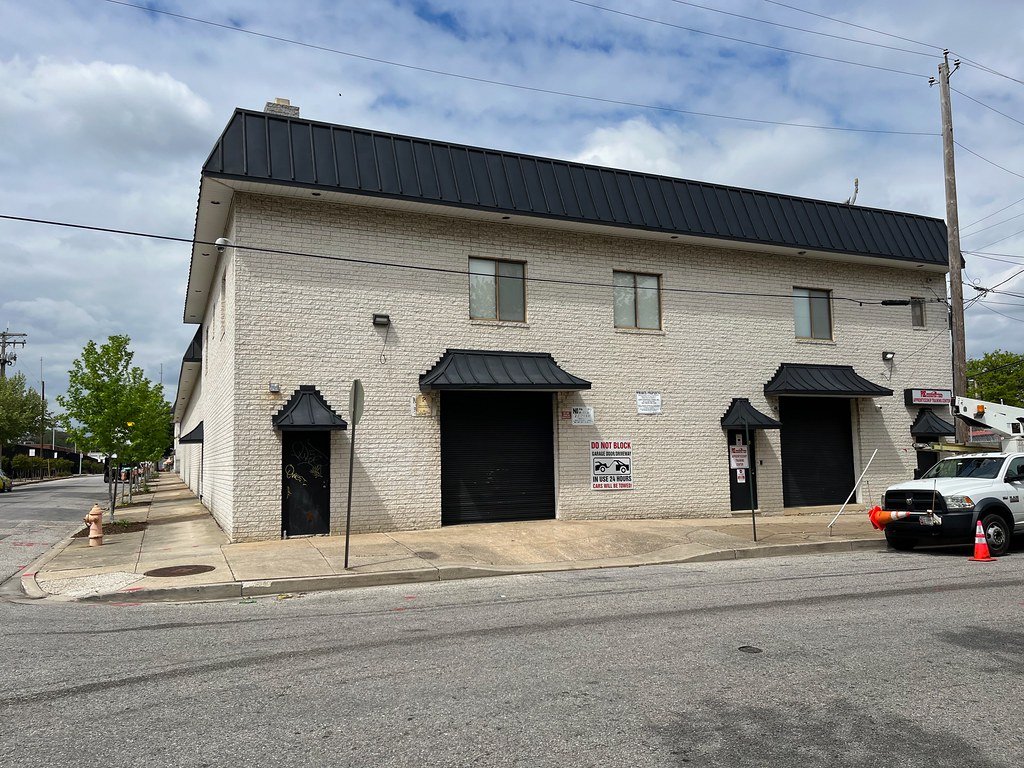
Tenant preferences, financing conditions, mixed-use districts, and local growth trends can influence commercial real estate assets.
Read More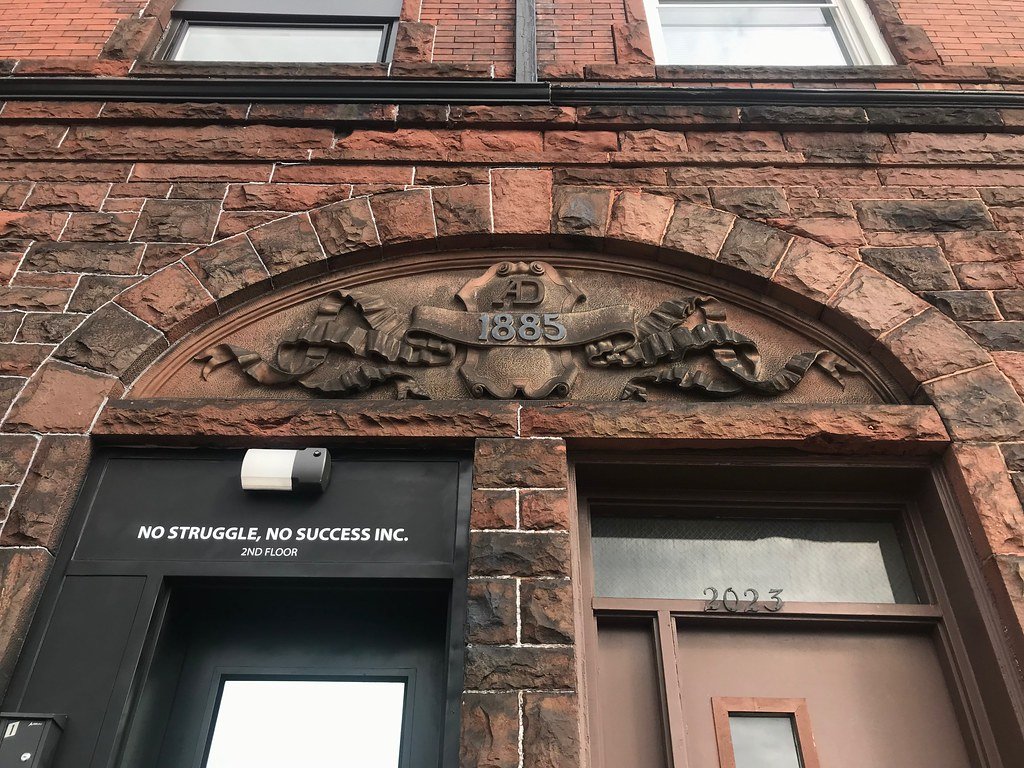
Tenant demand influences leasing stability, asset improvements, operating strategy, and long-term property investment value.
Read More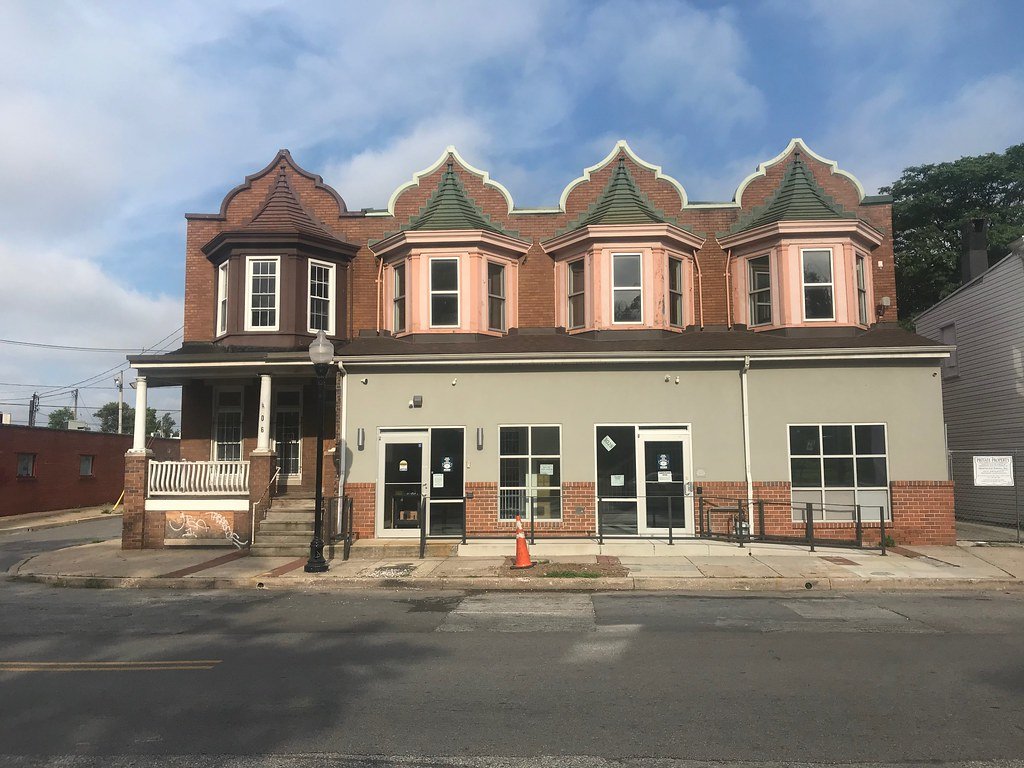
Long-term thinking can help commercial real estate assets remain resilient through changing markets, tenant needs, and investment cycles.
Read More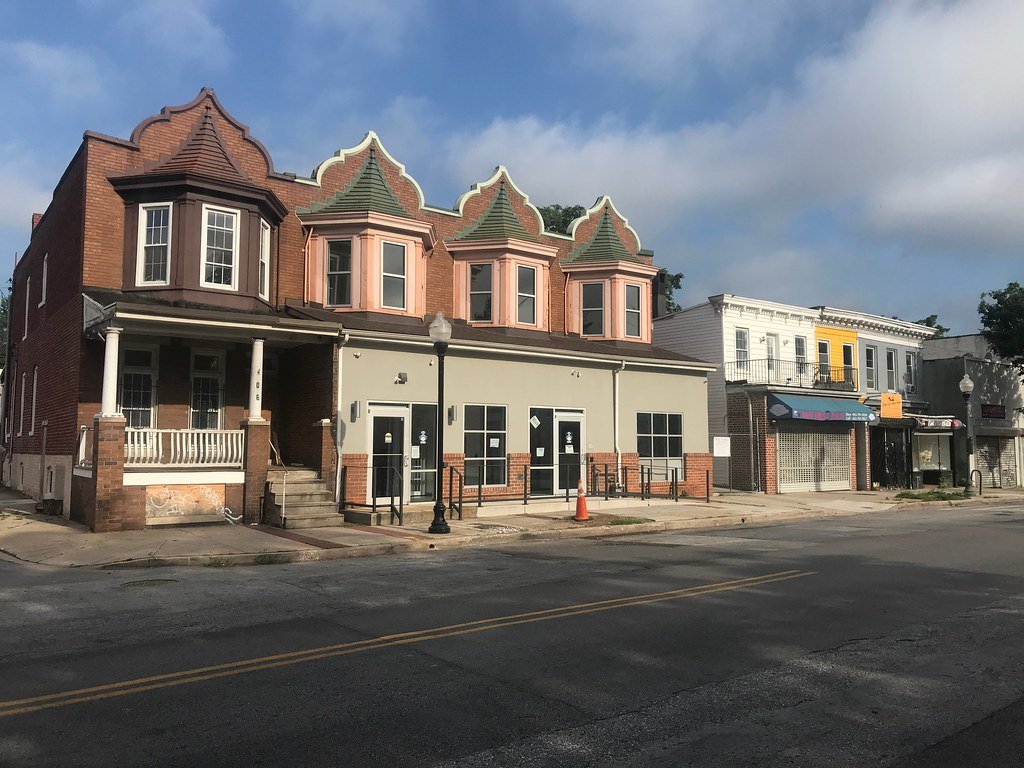
Thoughtful commercial property investments can support local businesses, improve access, and contribute to stronger business corridors.
Read MoreA long-form homepage guide on commercial real estate asset strategy, tenant demand, ownership discipline, capital planning, and long-term property value.
Commercial real estate asset strategy is the discipline of making a property more useful, more resilient, and more valuable over time. It is not limited to acquisition, rent collection, or occasional improvements. A strong strategy connects the physical asset, the tenant base, the surrounding market, the capital plan, and the owner's long-term goals into one practical operating view.
That kind of strategy matters because commercial properties are always changing. Tenants expand, renew, relocate, or rethink how they use space. Building systems age. Financing conditions shift. Nearby corridors improve or weaken. Insurance, taxes, maintenance, and construction costs can all affect performance. Owners who treat the asset as a living business platform are better prepared to respond with judgment.
This article explains how a thoughtful commercial real estate asset strategy can support long-term property value. It is written as a homepage guide for readers who want a complete overview before exploring the individual property investment articles on this site.
Every commercial property should have a defined purpose. One asset may be held for stable income from established tenants. Another may be selected for repositioning potential. Another may be valuable because it sits in a growing business corridor. When the purpose is clear, decisions about leasing, improvements, reserves, and risk become easier to evaluate.
A clear purpose also prevents ownership from becoming reactive. Without strategy, an owner may approve a repair, rent concession, tenant improvement, or refinance simply because it feels urgent. With strategy, each decision can be tested against the asset's job. Does it protect income? Does it improve tenant demand? Does it reduce future risk? Does it support long-term value?
Readers who want a deeper look at this distinction can review the role of property investments in commercial real estate strategy. That article explains how each property can serve a specific role within a broader plan.
Commercial property value begins with usefulness. A building must help tenants operate, serve customers, manage staff, receive deliveries, maintain visibility, and control costs. A property that looks attractive but creates friction for businesses may struggle to retain tenants. A more modest property can perform well if it solves practical needs consistently.
Usefulness should be studied from the tenant's point of view. Is parking easy to understand? Are entrances clear? Does the layout support the likely use? Are the systems reliable? Can customers or clients find the space without confusion? These questions connect physical conditions with investment outcomes.
That is why asset selection matters so much. The starting characteristics of a property shape the future leasing story, capital needs, and management workload. For more detail, see why asset selection matters in commercial property investments.
Location is often discussed as if it were a simple ranking, but location strength depends on tenant behavior. A professional office tenant may value access to clients and employees. A service tenant may care about repeat visits and easy parking. A retail tenant may need visibility, signage, traffic, and nearby complementary businesses. The same site can be strong for one use and weak for another.
A property strategy should identify which tenant categories the location can realistically support. It should also study whether nearby demand is durable or temporary. Strong locations often give owners more options when a lease expires, while weaker locations require more careful pricing, improvement, or repositioning decisions.
Owners should also watch how the surrounding area changes. New roads, residential development, competing buildings, public investment, and changing customer routines can all affect the property. A strategy that ignores local movement can become outdated even if the building itself has not changed.
Tenant demand is one of the clearest tests of a property strategy. Demand appears through qualified inquiries, tours, proposals, renewals, tenant investment, and limited vacancy time. It also appears through feedback from prospects who choose another property. Owners should study both wins and losses, because each gives useful information.
Demand is not the same as hope. A property may have theoretical potential, but the investment plan should be supported by real businesses that can use the space at sustainable rents. If the likely tenants cannot afford the rent, dislike the layout, need more parking, or require improvements beyond the budget, the strategy needs adjustment.
The article on why tenant demand matters in property investment decisions expands this topic and shows how demand should influence acquisition, leasing, and reinvestment choices.
A strategy is only useful if it reaches daily operations. Asset management connects the owner's long-term goals with maintenance, leasing, tenant communication, vendor oversight, reporting, and capital planning. It asks whether the property is becoming stronger or weaker as an investment, not only whether the bills are being paid.
Strong asset management often looks ordinary from the outside. Repairs are tracked. Lease dates are watched. Tenants know who to contact. Expenses are reviewed. Capital needs are scheduled before they become emergencies. Market feedback is documented. These habits protect the asset because they reduce uncertainty and help the owner act earlier.
For a fuller discussion, read how real estate asset management supports investment performance. It explains why management is a performance function, not just an administrative task.
Commercial assets require capital. Roofs, pavement, mechanical systems, lighting, interiors, signage, landscaping, safety items, and tenant improvements all compete for attention. A long-term strategy ranks capital needs by risk, tenant impact, market position, and timing. The goal is to spend with purpose rather than react to every visible issue in isolation.
Some capital work protects core function. Some improves competitiveness. Some prepares a property for a different tenant base. Some can wait. Owners should understand which category each project belongs to before approving it. This discipline helps preserve reserves and prevents cosmetic spending from crowding out essential work.
Capital planning is also tied to leasing. If a major lease expires soon, certain improvements may need to happen before marketing. If tenants are asking for the same upgrade repeatedly, that feedback may justify action. If demand is uncertain, preserving flexibility may be wiser than building for one narrow use too early.
Owning property gives an investor control, but control alone does not create a plan. Property investment strategy explains how that control should be used. It defines the desired outcome, the risk framework, the tenant approach, the capital priorities, and the review process that keeps the asset aligned with the market.
This distinction is important because many commercial property decisions arrive under pressure. A tenant asks for concessions. A repair becomes urgent. A lender requests updated information. A broker recommends a pricing change. A strategic owner can respond by returning to the asset plan rather than improvising from scratch.
The difference is explored in the difference between property ownership and property investment strategy. That guide shows how active oversight changes the result over time.
Commercial real estate trends can be useful, but only when they are connected to the specific property. Tenant expectations, financing conditions, operating costs, technology, flexible use, service-oriented locations, and local growth patterns can all influence asset strategy. Still, not every trend deserves a major response.
Owners should ask whether a trend changes tenant demand, cost, financing, competition, or the standard for the property type. If it does, the asset plan may need to adapt. If it does not, the trend may be interesting but not central. The best response is measured, local, and supported by evidence.
For more detail, see commercial real estate investment trends that affect property assets. That article explains how to respond without chasing every market headline.
Long-term thinking does not mean ignoring current issues. It means placing current issues in context. A vacancy, repair, rate change, or tenant concern should be evaluated for how it affects future usefulness and value. Some events require quick action. Others require patience and monitoring. Strategy helps owners tell the difference.
Long-term owners also prepare before stress arrives. They maintain reserves, monitor lease dates, update capital schedules, keep tenant relationships active, and study market movement before decisions become urgent. This preparation can improve timing, which is one of the quiet advantages in commercial property ownership.
The article on how long-term thinking shapes real estate asset strategy expands this idea with a playbook for active long-term ownership.
Commercial properties often sit inside local business ecosystems. Useful space, clear access, reliable maintenance, thoughtful tenant mix, and responsible ownership can help businesses operate with more confidence. When tenants succeed and customers feel comfortable visiting, the property can also become stronger as an investment.
This connection should still be managed with financial discipline. Owners need sustainable leases, adequate reserves, clear standards, and careful tenant selection. Local usefulness works best when the property is stable enough to be maintained and improved over time.
Readers interested in this relationship can explore how commercial property investments can support local business growth. It explains how property decisions can support local business activity while preserving investment logic.
A useful commercial real estate asset strategy should answer several practical questions. What is the property's job? Which tenant categories does it serve best? What local demand supports the plan? What capital needs are visible? Which risks could affect income? What market changes should be watched? Who is responsible for turning the plan into action?
The checklist is simple, but it can be powerful when used consistently. Strategy becomes valuable when it changes how decisions are made. It should influence leasing, maintenance, capital planning, debt discussions, tenant communication, and the owner's view of long-term value.
A commercial real estate asset strategy should not be written once and then left alone. The property, tenants, financing environment, and surrounding market all keep moving. Review is the habit that keeps the strategy connected to current evidence. Without review, even a thoughtful plan can become a record of old assumptions.
Owners can review the strategy at several natural moments. A lease renewal, major repair, refinance discussion, insurance change, tax adjustment, nearby development, or unexpected vacancy can all justify a fresh look. The review does not need to change the plan every time. Its purpose is to confirm whether the plan still fits what the property is showing.
The best reviews include both numbers and observations. Income, expenses, occupancy, reserve levels, and capital costs matter, but so do tenant comments, broker feedback, maintenance patterns, traffic changes, and the appearance of competing properties. When these details are reviewed together, the owner can see whether the asset is gaining strength, holding steady, or drifting toward risk.
Review also improves accountability. It helps owners remember why a decision was made, what evidence supported it, and what should be checked next. Over time, this record can make the strategy more precise. A property becomes easier to manage when the owner is not rebuilding the logic from memory every time a decision appears.
The individual articles on this site are designed to support that broader strategy conversation. A reader can begin with long-term value, then move into asset selection, tenant demand, management, ownership strategy, trends, long-term planning, and local business growth. Each topic looks at commercial property from a different angle, but the common thread is disciplined ownership.
For a broad starting point, read how commercial real estate assets create long-term investment value. From there, compare the strategy topics above and use the internal links as a practical guide through the full property investment resource library.
Commercial real estate asset strategy builds long-term property value by connecting purpose, usefulness, tenant demand, management, capital planning, market awareness, and local context. The strongest strategies are not abstract. They help owners decide what to improve, which tenants to pursue, how to manage risk, and when to adjust the plan.
A property can only create durable value when it continues to serve a real market. That requires attention, evidence, patience, and responsible ownership. When those qualities work together, commercial real estate becomes more than a held asset. It becomes a managed platform for long-term value.
Learn more about commercial real estate assets, property investments, asset management, investment strategy, and long-term value through Norman Ebenstein Assets.